التخاطب وتعديل السلوك في الكويت — هيومن تاتش
أفضل مركز تخاطب في الكويت
هل طفلك يتأخر في الكلام؟ هل يعاني من صعوبة في النطق أو التواصل؟ هل تلاحظ سلوكيات تحتاج إلى تعديل؟ هيومن تاتش تقدم خدمة التخاطب وتعديل السلوك في الكويت على يد أخصائيين معتمدين،
ما هو تخصص التخاطب؟
التخاطب هو تخصص طبي يعنى بتشخيص وعلاج اضطرابات اللغة والكلام والتواصل والبلع. يشمل عمل أخصائي التخاطب تقييم قدرات الطفل أو البالغ وتصميم برنامج علاجي مخصص لتحسين مهارات التواصل والنطق وتعديل السلوك.
الحالات التي نعالجها
اضطرابات النطق واللغة
- تأخر الكلام عند الأطفال — الطفل الذي لا يتكلم في العمر المتوقع
- اضطرابات النطق — صعوبة نطق الأصوات والحروف بشكل صحيح
- اللجلجة والتأتأة — التوقف أو تكرار الأصوات عند الكلام
- ضعف الصوت أو بحّته — مشاكل في الحبال الصوتية
- صعوبات القراءة والكتابة — المرتبطة باضطرابات اللغة
اضطرابات التواصل
- اضطراب طيف التوحد (أوتيزم) — تحسين مهارات التواصل الاجتماعي واللفظي
- متلازمة داون — برامج علاجية متخصصة لتحسين اللغة والكلام
- التأخر المعرفي — تطوير مهارات التواصل حسب قدرات الطفل
- فرط الحركة وتشتت الانتباه (ADHD) — استراتيجيات التركيز والتواصل
تعديل السلوك
- السلوك العدواني — أساليب علمية للحد من السلوك العدواني وتوجيهه
- نوبات الغضب الشديدة — التعامل مع المشاعر وتعليم ضبط النفس
- الانسحاب الاجتماعي — تشجيع التفاعل والاندماج مع الآخرين
- الوسواس والسلوك التكراري — برامج تعديل سلوكي مبنية على أسس علمية
- صعوبات التأقلم في المدرسة — دعم الطفل في البيئة الأكاديمية والاجتماعية
حالات البالغين
- إعادة التأهيل بعد الجلطة الدماغية — استعادة القدرة على الكلام والتواصل
- مرض باركنسون — الحفاظ على وضوح الكلام وقوة الصوت
- صعوبات البلع — علاج اضطرابات البلع عند كبار السن والمرضى
لماذا تختار هيومن تاتش لجلسات التخاطب؟
✔ أخصائيون معتمدون بخبرة كبيرة فريقنا من أخصائيي التخاطب وتعديل السلوك حاصلون على شهادات معتمدة وخبرة فعلية مع الأطفال والبالغين.
✔ تقييم شامل قبل البدء نبدأ بجلسة تقييم كاملة لفهم الحالة وتحديد الأهداف العلاجية بدقة.
✔ إشراك الأهل في العلاج نعلّم الوالدين كيف يدعمان طفلهم بين الجلسات — لأن ما يحدث خارج الجلسة لا يقل أهمية.
✔ تقارير دورية للأسرة والمدرسة نوثّق التقدم ونقدم تقارير يمكن مشاركتها مع المدرسة أو الطبيب المعالج.
متى تطلب مساعدة أخصائي تخاطب؟
للأطفال:
- طفلك عمره سنتان ولم يقل بعد 50 كلمة
- لا يستطيع تكوين جمل في عمر 3 سنوات
- يصعب على الآخرين فهمه في عمر 4 سنوات
- يتهرب من التواصل البصري أو اللعب مع الأطفال
- يعاني من نوبات غضب شديدة وغير مبررة
للبالغين:
- صعوبة في الكلام بعد جلطة أو حادث
- تغيّر ملحوظ في الصوت أو وضوح الكلام
- صعوبة في البلع
إذا لاحظت أياً من هذه العلامات — لا تنتظر. التدخل المبكر يصنع فرقاً كبيراً.
الأسئلة الشائعة
من أي عمر يمكن البدء بجلسات التخاطب؟
يمكن البدء من عمر السنة ونصف. التدخل المبكر هو المفتاح للنتائج الأفضل.
كم عدد الجلسات المطلوبة؟
يختلف من حالة لأخرى. بعض الحالات تتحسن في 10-15 جلسة، وأخرى تحتاج برنامجاً أطول. أخصائينا يحدد ذلك بعد التقييم الأولي.
هل تعديل السلوك آمن للأطفال؟
نعم تماماً. نستخدم أساليب علمية معتمدة مبنية على التعزيز الإيجابي وليس العقاب.
هل يمكن الجمع بين جلسات التخاطب والعلاج الطبيعي؟
نعم، ونوصي بذلك في بعض الحالات. هيومن تاتش تقدم كلا الخدمتين وتستطيع تنسيق برنامج متكامل لطفلك
.هل تقدمون خدمة تخاطب للبالغين بعد الجلطة؟
نعم، لدينا أخصائيون متخصصون في إعادة تأهيل الكلام للبالغين بعد الجلطات الدماغية.
احجز جلسة التقييم الآن
الخطوة الأولى هي التقييم — اتصل بنا وسيساعدك فريقنا في تحديد الخطة المناسبة لطفلك أو لذويك.
📞 22229008 — 50055510 — 55501113💬 واتساب: 50055510📍 السالمية، شارع سالم المبارك، مجمع مريم
علاج صعوبات النطق والتخاطب وتعديل السلوك
Our center specializes in the treatment of speech and language problems, as well as educational and behavioral problems
علاج صعوبات النطق والتخاطب وتعديل السلوك
Our center specializes in the treatment of speech and language problems, as well as educational and behavioral problems
* Pronunciation problems and letter exits program.
* Fluency and stuttering program.
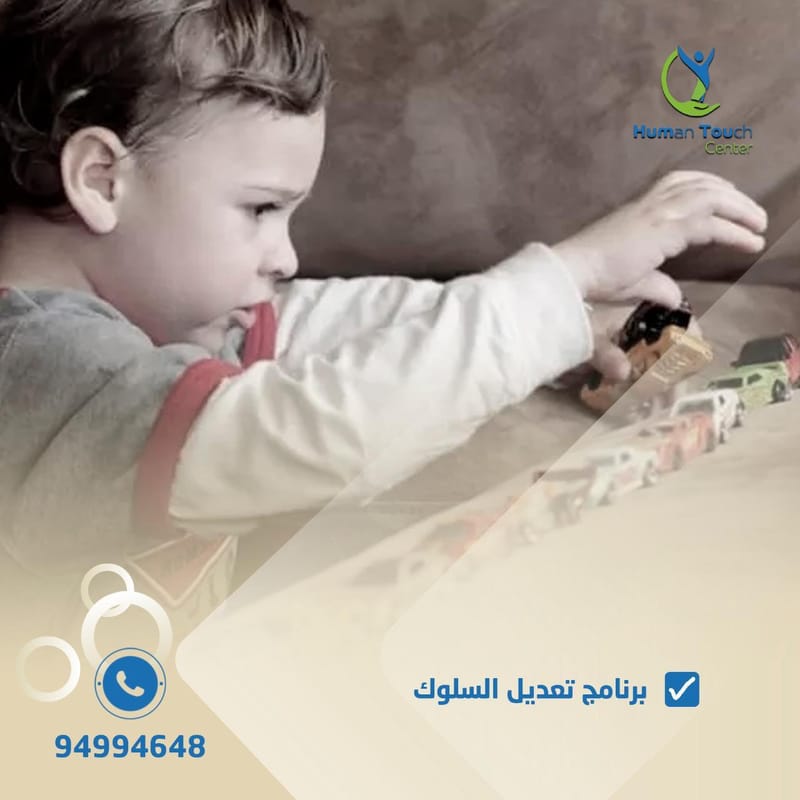
* Behavior modification program.
* Academic Skills Program.
* Interactive and communicative skills development program.
* Intensive comprehensive programme.
language delay program
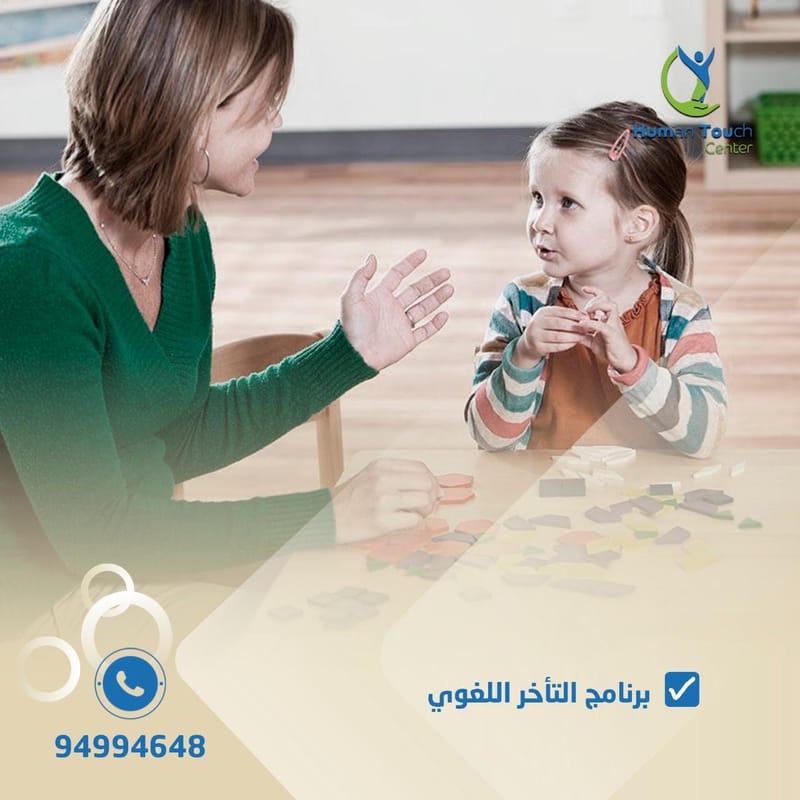
Language Delayed Treatment Plan
Correction of the problem: - Correcting audio, visual and neurological problems, that is, if the child is visually impaired, we wear glasses, and if he is weak of hearing, we wear a hearing aid, and if he has a neurological problem, we present him to a neurologist. The child can and if he needs an EEG that shows his udder focus, he takes treatment for epilepsy, and if the child is hyperactive, and therefore I cannot control him. And the physiotherapist must explain to the mother who has a child with a motor disability how to carry him in the correct way, and if the child is large, she should sit on a wheelchair so that he moves and is not isolated from the outside world and transmits to him the outside world.
اضغط للمزيد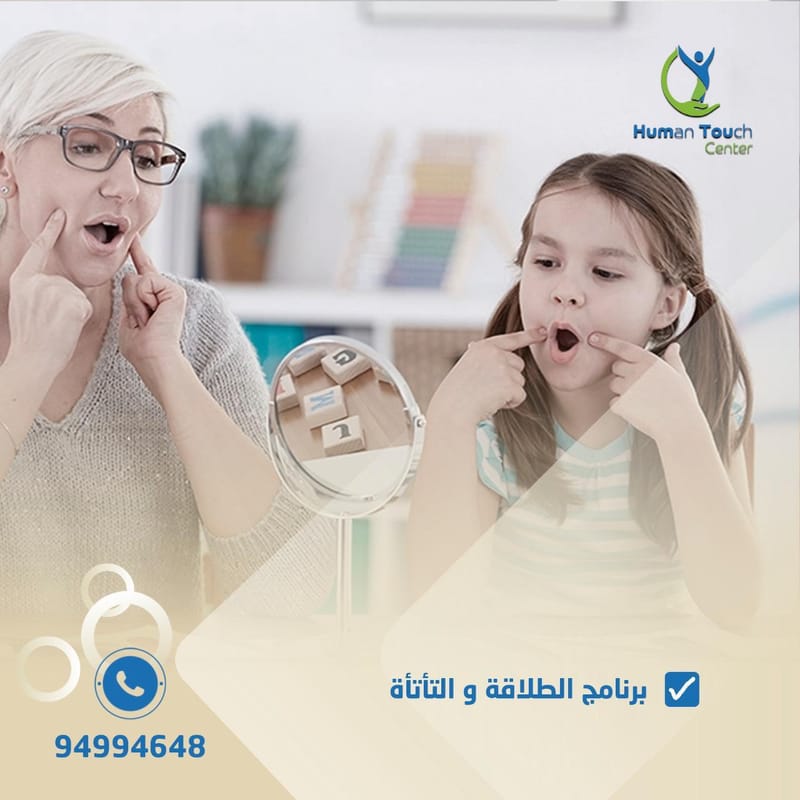
From stuttering to fluency: treatment strategies and the role of society
Face your fears and win over them.. This is what the wise always advise us, and perhaps those who stutter know the meaning of this phrase well and always try to apply it by speaking and trying to prevent themselves from stuttering to avoid the reactions of the people around them. Awareness and good knowledge of stuttering and its nature and taking the right steps towards treating it will make life easier for those who suffer from it, which is not restricted to the sufferers and their families only, but is something that concerns everyone around them to enhance the self-confidence of the sufferers and help them overcome this problem.
اضغط للمزيد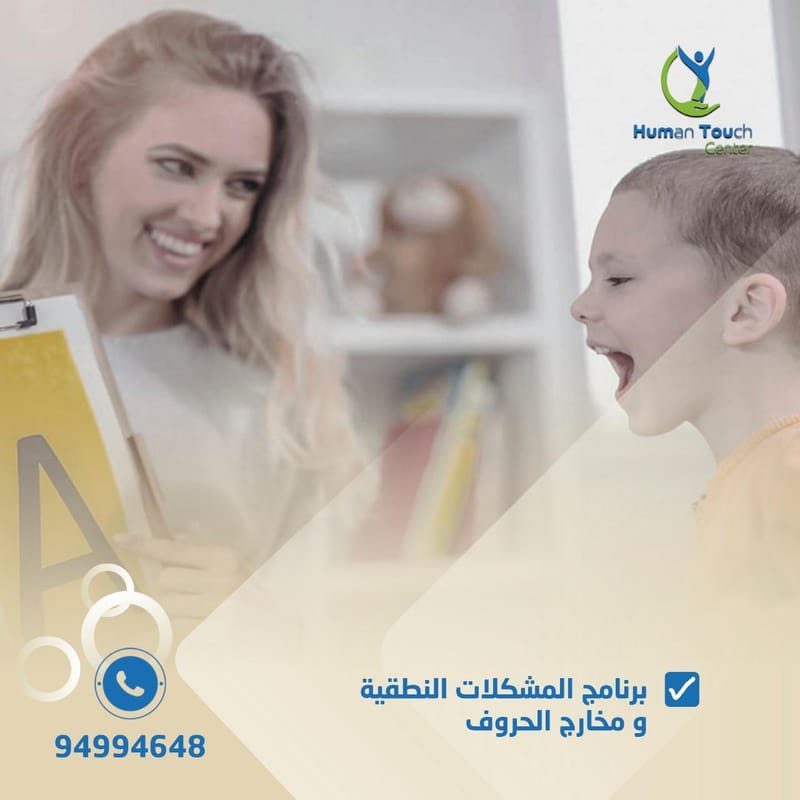
Speech and Language Disorders Program
Speech therapy is tailored to the child's level of disability and speech impairment. It also focuses on the child's swallowing abilities, speech development, communication skills, behavior, learning disabilities, fluency and expression problems, and other issues. After an initial examination by a speech therapist, the program and approach to be followed with the child are individually determined. The underlying problem is diagnosed and addressed. During the training period, parents are taught exercises and tests that they can perform on their own. Speech therapy focuses on: swallowing disorders (dysphagia), facial disorders, speech development disorders, speech delays, speech voice disorders, fluency and expression disorders, pronunciation problems, and speech problems caused by other causes, such as hearing or vision problems, or other conditions such as cerebral palsy, developmental disorders, learning and reading difficulties, and neurological disorders.
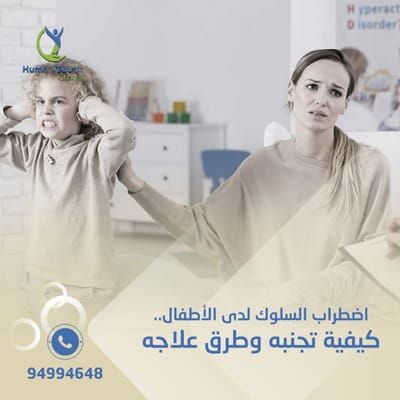
Aggressive behavior in a child: its definition, forms, types and causes?
Aggressive behavior is a negative action performed by a child, which may be intentional or unintentional as a result of dissatisfaction with the other person or the person being dealt with. It is a form of violence among children. Aggression in general is an unwanted behavior, and by aggression we mean the deliberate harming of others. Violence is displayed by children in various ways, including hitting, biting, or psychologically harming others, such as uttering obscene words. Aggression is also considered an acquired behavior in children as a result of observation and imitation. Aggression among children takes many forms, whether it is to defend themselves against a peer's aggression, or to constantly fight with others to control their peers, or to destroy some furniture in the house when angry and unable to control themselves. Aggression is of two types: acquired from the surrounding environment (family, school, street), such as the situations the child goes through that lead to the use of aggression to protect themselves, or hereditary aggression, which is called this name as a result of how the parents treat the child at home. Aggression has many causes, including: It can be due to a psychological disorder or feelings of inferiority and guilt, or it can be a result of upbringing. The family may play a major role in developing aggression in a child, such as excessive cruelty from one or both parents, which results in a desire for revenge, repressing children and not satisfying their desires, bullying by older siblings, and finally, watching violence on television or through any other means. One study indicated that animated programs designed for children contain the highest percentage of violent scenes compared to any other programs. A study conducted on nine-year-old children to determine their passion for horror films showed that those who were fond of watching this type of films became, ten years later, people characterized by aggressive tendencies. Dear father, dear mother: The matter is not insignificant, but controlling this behavior early is easier and achieves better results. Child psychology specialists will help you learn more about treatment methods and means, and ways and skills for dealing with an aggressive child through successive counseling sessions.
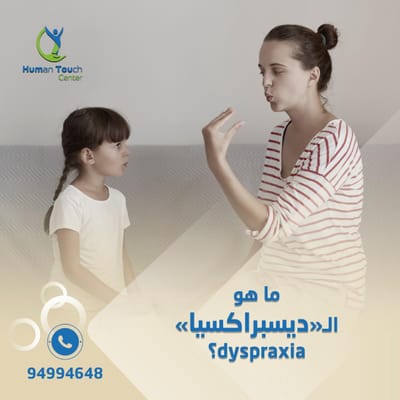
What is dyspraxia?
في أي عمر يمكن أنْ نكتشف الإصابة؟
من عمر ٣ سنوات وما بعد ممكن ملاحظة
- صعوبات بأداء بعض الحركات الكبيرة مثل المشي أو القفز
- صعوبة في ركوب الدراجة
- صعوبة في أداء الحركات الدقيقة كمسك القلم و الملعقة ، قطع التركيب
- صعوبة فك واغلاق الأزرار ولبس الملابس والأحذية
- السقوط المتكرر والارتطام بما حولة
- صعوبة الكتابة والنسخ من السبورة
- صعوبة التعامل مع الألعاب الجماعية كتمرير الكرة أو إمساكها
-التمييز بين الاتجاهات واتباعها
هل ممكن مساعدة الطفل المصاب بالديسبراكسيا؟
بالطبع ، على أولياء الأمور والمعلمين ملاحظة الطفل المصاب ومراعاتهم . والمهم أن يتم تشخيص الحالة مبكرًا وتقديم العلاج المناسب ليتمكن المصاب من النجاح
من يستطيع مساعدته ؟
اختصاصي العلاج الوظيفي ليساعده على تطوير مهاراته الإدراكية الحركية وتطوير حركات جسده والتناسق الحركي وخصوصًا الدقيقة منها
- المعلم في الفصل يجب عليه ملاحظته ومساعدته بإعطاءه الوقت الكافي أثناء الكتابه والتدريب.
What is the relationship between autism spectrum disorder (ASD) and attention deficit hyperactivity disorder (ADHD)?
One study found that children diagnosed with ADHD are up to 20 times more likely to show some signs of ASD than their neurotypical peers.
Autism spectrum disorder is generally characterized by social and communication difficulties and repetitive behaviors, while ADHD is characterized by inattention, hyperactivity, and impulsivity, although social challenges are often characteristics of ADHD as well.
To differentiate ADHD from autism spectrum disorder, many clinicians work to determine whether poor social skills stem from impaired executive function. For example, does the child have difficulty taking turns because they want to play later, or because they don't understand the nature of the game?
Early intervention and proper treatment of the condition is crucial.
خطأ التشخيص بين طفل التوحد وطفل تأخر الكلام أو الحرمان البيئي
Autism spectrum disorder, as we previously defined, is one of a group of developmental disorders that usually appear before the age of three years and affect:
- The child's ability to communicate with those around him, and develop mutual relationships with them. It is a developmental disorder that affects the child's social and linguistic communication with others. Its most important symptoms are weak communication, repetitive movements, and a deficiency in language, social interaction, and all methods of communication. From here, confusion occurs between the autistic child and the child with environmental deprivation, because these same symptoms are very similar to the symptoms of environmental deprivation.
*****What is environmental deprivation? It is the lack of sufficient satisfaction of the child’s linguistic and social needs in knowing the things around him, their names, and not practicing the correct use of language in daily life. This is a result of the preoccupation of those who live with them and not giving them enough time, which causes a delay in language development despite the absence of congenital problems in the child, whether in hearing,
For inquiries or to contact us: 94994648
ABA . Program
وأيضا يهدف الى زيادة السلوكيات المرغوبة وتقليل السلوكيات السلبية او الغير مرغوبة أو التي تؤثر على التعلم.
يمكن أن يساعد برنامج ABA في :
1 - زيادة مهارات اللغة والتواصل .
2 - تحسين الانتباه والتركيز والمهارات .
3 ـ تقليل السلوكيات الغير مرغوبة الاجتماعية .
تم استخدام ودراسة طرق تحليل السلوك التطبيقى ABA لمساعدة الأطفال المصابين بالتوحد واضطرابات النمو.
برنامج ABA لا يستخدم مع الجميع بنفس الطريقة فكل طفل من ذوي التوحد يختلف عن الآخر فيتم وضع برنامج مناسب لكل طفل يتوافق مع احتياجاته وقدراته.
للحجز والاستفسار التواصل على: 94994648
التدخل المبكر
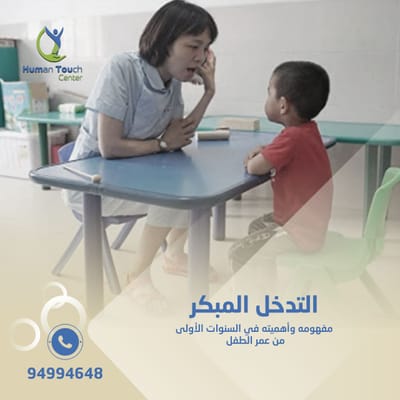
يتأخر تشخيص بعض الأطفال الذين يعانون من مشاكل صحية تطورية معينة في مرحلة الطفولة المبكرة، وإلى حين أن يثبت التشخيص كان لا بد من حل ما لمساعدتهم، ومن هنا جاءت فكرة التدخل المبكر.
التدخل المبكر هو مصطلح يطلق على الخدمات الصحية المقدمة للأطفال وأسرهم منذ الولادة وحتى دخول المدرسة، وذلك إذا لوحظ أنهم يعانون أو معرضون لخطر التأخر أو الانحراف، الواضح أو المستتر، في تطورهم العصبي.
إن التدخل المبكر والفعال يكون بكشف الحالات التي تحتاج للمساعدة، ثم تقديم البرنامج الملائم لها، حتى قبل تشخيصها الدقيق، وبذلك نعمل على منع حصول مشكلة أو تفاقمها...
وقد ثبت عظيم أثر التدخل المبكر على الطفل وعائلته والمجتمع واقتصاد الدولة، حيث يقلل إلى حد كبير من مستوى التحديات التي قد يعاني منها الأفراد من ذوي الاحتياجات الخاصة واسرهم.
إن برامج التدخل المبكر تحتاج لفريق عمل، يتشكل عادة من ممارس الأطفال واختصاصي التطور العصبي واختصاصي طب أعصاب الأطفال والمعالج الطبيعي والنفسي، ويضاف بعض التخصصات الأخرى حسب الحالة مثل اختصاصي العيون، النطق، السمع...إلخ.
كان الأطباء لا يعتقدون بالمرونة الدماغية، ويرون أن الخلايا العصبية التالفة لا يمكن علاجها، وعلينا أن ننتظر ونرى ما يؤول إليه حال الطفل، وعند وضوح الإعاقة فنبدأ بالعمل! لكننا بذلك كنا نضيع وقتا ثميناً.
لقد تراكم خلال العقود الأخيرة كمٌ هائلٌ من المعلومات عن الدماغ وطريقة عمله، ساعدت على وضع برامج التدخل المبكر الحديثة، والفئة التي تهمني هنا هي الأطفال الرضع، فهي من أخطر مراحل الطفولة.
حيث يكون نمو الدماغ في هذه المرحلة أسرع ما يمكن، ففي كل دقيقة يتشكل 250000 خلية عصيبة، وكل خلية منها تشكل، حسب ما تتعرض له من تحريض خارجي وداخلي، مليارات من التشابكات فيما بينها.
لذلك فإن التعرف على أي انحراف في التطور العصبي في هذه المرحلة، خاصة قبل سن الثلاثة أشهر، هو أمر مهم جداً.
وبما أن 80 بالمائة من حالات الإعاقة هي ولادات طبيعية، وتطورها يبدو طبيعياً في الشهور الاولى من العمر، لذلك دلت الإحصائيات أن 90 بالمائة من الأمهات لا ينتبهن إلى الانحراف في تطور أبنائهن قبل سن الرابعة.
لذلك فإنه يجب الحرص على الزيارات الدورية التي يحددها طبيب الأطفال، وبالخصوص للرضع (حتى عمر السنتين).
لماذا نلجأ إلى التدخل المبكر؟
التدخل المبكر يوفر على الأهل والطفل جزءاً لا يستهان به من تبعات الرعاية لحالات الاحتياجات الخاصة المادية والنفسية. كما أنه يوفر على الدولة حتى 40 % من الكلفة حسب الإحصائيات.
يصل عدد ذوي الاحتياجات الخاصة من الأطفال في العالم ما يزيد عن المئة مليون، ونسبتهم في مجتمعنا مرتفعة، حيث أن أكثر من 2% من الرضع في وحدة العناية الخاصة مصابون بالصمم.
وكل رضيع يدخل هذه الوحدة بحاجة لهذه الخدمات، إلا أن 50% من الأطفال دون سن الثلاثة شهور، والذين يخضعون للعلاج يتعافون بشكل تام.
باختصار.. برامج التدخل المبكر هي برامج وقائية أولاً، وهي للتعرف على الأطفال الأكثر عرضة للانحراف في تطورهم العصبي والبدء بعلاجهم فوراً.
الفحص الدوري للأطفال ضروري، لأن غالبية ذوي الاحتياجات الخاصة، هم من الأطفال "السليمين" حملاً وولادة، وطبيب الأطفال هو من يوجه الأهل، ويبقى حلقة الوصل بينهم وبين فريق العمل.
العلاج ممكن ويجب أن يبدأ فوراً، حتى وإن لم يتحدد تشخيص دقيق للحالة بعد.
أبرز الأسباب وراء ارتفاع معدل انتشار التوحد :
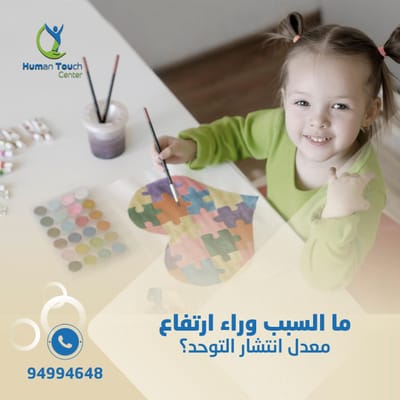
أهو اللقاحات؟ سوء التغذية؟
الكثير من الخرافات والمفاهيم الخاطئة التي لا أساس لها.
من أبرز الأسباب وراء ارتفاع معدل انتشار التوحد :
💡
زيادة الوعي في المجتمع حول اضطراب طيف التوحد وأعراضه، وبالتالي الوصول للتشخيص الصحيح ثم التدخل المكثّف المبكّر.
في السابق كان العديد من الأفراد الذين لديهم توحد تم تشخيصهم بشكل خاطئ باضطراب آخر.
ارتفاع معدل انتشار التوحد ليس أمراً سيئًا، فهو مبني على زيادة الوعي ويقود للتشخيص الصحيح والتدخل المبكّر.
What is the difference between autism and autism spectrum disorder?
One of the misconceptions is that there is a difference between autism and autism spectrum disorder
As there is no difference between autism and the autism spectrum, it is the same disorder and its scientific name is mentioned in the fifth Diagnostic Manual DSM-5 (autism spectrum disorder).
It was given this name because of the diversity in its symptoms. Children with autism do not have the same features, as they may differ from one person to another, but they share the basic features (spectrum) of this disorder.
مؤشرات قد تنبهك ان طفلك لديه توحد عمر سنة
( في عمر الـ ١٢ شهر)
( في عمر الـ ١٢ شهر)
• لا يستجيب عند مناداته باسمه.
• نادراً ما يستجيب عندما يشير الآخرون إلى الأشياء أمامه.
• لا يتفاعل مع الآخرين.
• لا يُقلّد الحركات أو الأصوات.
• نادراً ما يُشير إلى الأشياء.
اذا كان لديك أي مخاوف، صغيرة أم كبيرة، لا تتردد في التواصل معنا.
مؤشرات قد تنبهك ان طفلك لديه توحد عمر سنتين
( في عمر الـ ٢٤ شهر)
( في عمر الـ ٢٤ شهر)
•يُظهر سلوكيات نمطية، غير عادية ومتكررة.
•يقوم بترديد الأصوات أو الكلمات.
•لا يُظهر الاهتمام بالألعاب المفضلة لدى أقرانه.
•يُظهر تأخراً في استخدام اللغة مقارنةً بأقرانه.
•يُظهر ردود أفعال غير مألوفة للروائح، الأطعمة، الأشكال، الملمس والأصوات.
اذا كان لديك أي مخاوف، صغيرة أم كبيرة، لا تتردد في التواصل معنا.
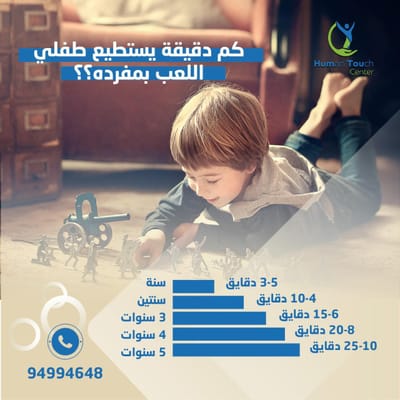
كم دقيقة يستطيع طفلي اللعب بمفرده ؟
The time may increase in some children, and this is normal, and the child may need to participate in certain games from adults, and this aspect must also be strengthened.
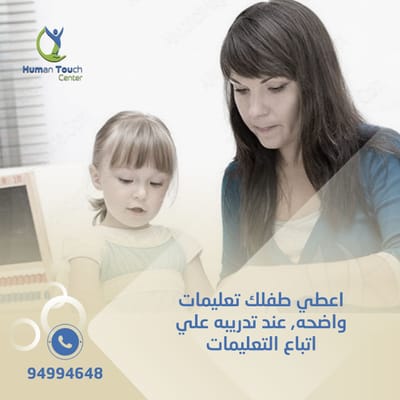
اعطي طفلك تعليمات واضحة عند تدريبه علي اتباع التعليمات
فما هي الطريقة الصحيحة التي يتم من خلالها تدريب الطفل على اتباع الأوامر
عند تدريب طفلك على إتباع التعليمات أعطي طفلك تعليمات واضحة وصريحة سيساعده ذلك بتطوير هذه المهاره ، تاكد من مساعدته عند الحاجة ، ولا تنسى التعزيز والمكافات
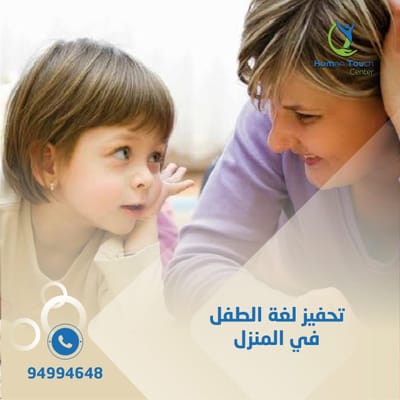
Stimulating the child's language at home
١- أثناء الاستحمام يمكنك أن تعلميه أسماء (ماء، صنبور، صابون ..) أو صفات (حار، بارد، كثير، قليل..) أو أفعال (استحم، أنظف ..).
٢- أثناء توضيب الملابس يمكنكي ان تصنفي الملابس مع الطفل حسب اللون (لنضع كل الملابس التي لونها "أحمر" هنا و مل الملابس التي لونها "أبيض" هناك). أو يمكنكي تصنيف الملابس حسب القطع ( اعطني كل القمصان، لنضع جميع الجوارب هنا .. ).
كما أن قراءة القصص للأطفال مع الاشارة للصور عند نطق الكلمات تعتبر من أهم محفزات اللغة.
للحجز والاستفسار الاتصال على: 94994648
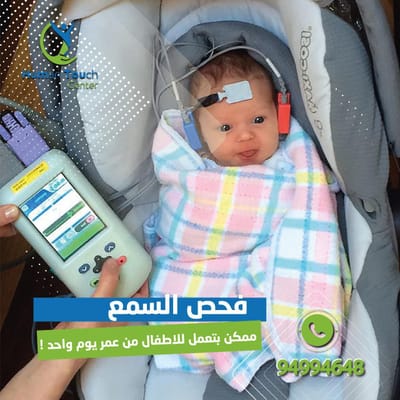
متي يتم عمل فحص السمع لطفلي ؟
هناك فحوصات متنوعة لتحديد مستوى السمع و هي انواع :
١.فحوصات تحدد مستوى السمع و حدته و هي فحوصات تشمل الاذن الخارجية و الوسطى و الداخلية
٢.فحوصات تقيس توصيل الصوت و هي فحص الاذن الخارجية و الاذن الوسطى
دائما ننصح بإجراء تقييم للسمع في عمر مبكر
حتى لا يتأثر تطور الطفل لغويا و ادراكيا
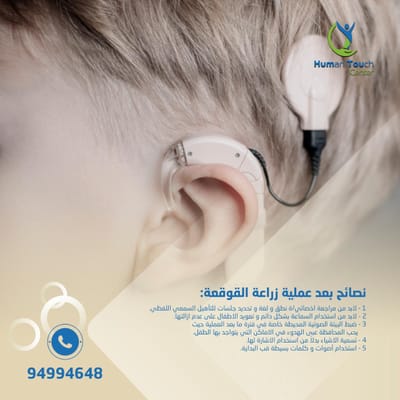
Tips after cochlear implant surgery
2- The headset must be used permanently and children should be accustomed not to remove it.
3- Adjusting the surrounding sound environment, especially in the post-operative period, as the governorate likes to play quietly in the places where the child is.
4- Naming things instead of using signs.
5- Use simple sounds and words in the beginning.
For inquiries, please contact: 94994648
علاج التأتأه ( التلعثم ) للكبار والاطفال
- زيارة آخصائي النطق وعمل الفحوصات الازمة لمعرفة مشكلة التلعثم والسبب المؤدي لذلك،ثم المداومة على العلاج المناسب الذي ينصح به الاختصاصي.
- يجب على المتلعثم ان يتأنى اثناء كلامه ويتكلم ببطء ويتفادى نطق اكثر من كلمة في نفس الوقت.
- ان يحاول دائما الحفاظ على ابقاء فمه جافا وخاليا من اللعاب، ويستطيع من خلال بعص الادوية التي تجفف الفم او شراء الة الشفط الكهربائية التي تسحب اللعاب من الفم.
- التركيز العالي اثناء التحدث وان يبتعد عن تناول الطعام والشراب اثتاء الحديث.
- الابتعاد عن تناول الادوية التي تسبب ارتخاء العضلات، لانها يمكن ان تسبب انخفاض معدلات التنفس مما يؤدي الى عدم فهم الكلام عند نطقه.
- الانتباه من اصغاء جميع الاشخاص الموجودون في نفس المجلس وتوجيه نظرهم نحو المتكلم اي المتلعثم، وذلك لان الكثير من الاشخاص يصل اليهم الكلام بقرائة الشفاه.
- ممارسة بعض تماريين الاسترخاء للرقبة، لتفادي ضيقها الذي يؤثر على الصوت ومخارج الكلمات.
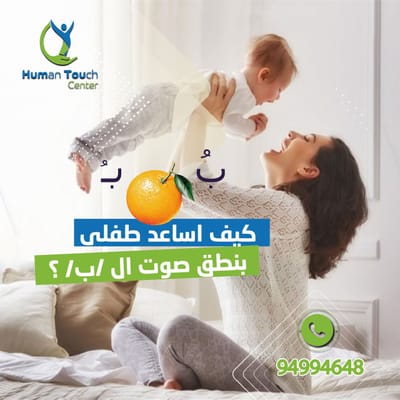
How do I help my child pronounce the /b/ sound?
The child can be trained to make the sound of the /b/ with the help of a mirror, where the child can see how the lips match together to make this sound. The child’s hand can also be placed in front of the mother’s or father’s lips when making the “b” sound, to know that the air is trapped when the lips are closed, and to feel the air forcefully exiting the mouth when the “b” sound is pronounced.
At Human Touch Center, we assess children's speech, language and communication problems and develop plans and goals that are appropriate for them and their needs.
For reservations and inquiries contact 94994648
لا تقارن طفلك بالأخرين
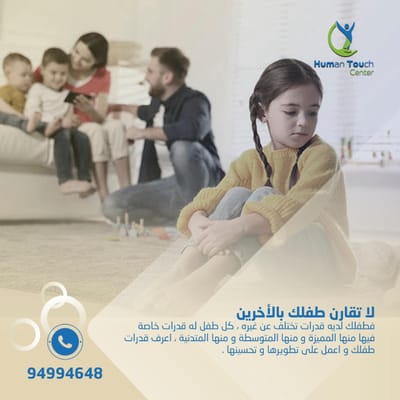
فطفلك لديه قدرات تختلف عن غيره ، كل طفل له قدرات خاصة فيها منها المميزة و منها المتوسطة و منها المتدنية ، اعرف قدرات طفلك و اعمل على تطويرها و تحسينها .
- من أكبر الألخطاء التي نرتكبها في حق أبنائنا أن نقارنهم بالآخرين, فمن أسرار نجاح ثقة الطفل بنفسه أن يشعر أنه طبيعي ومحبوب كما هو, وأنه يتميز عن غيره ببعض الجوانب الإيجابية, وأنه كذلك ليس مطالبا بأن يصبح مثل فلان. المقارنات تكون في كثير من الأحيان عامل هدم لثقة الطفل بنفسه, فما أفضل السبل للتعامل مع أطفالنا؟
من ضروريات محبة الطفل كما هو ألاّ يشعر أنه مطالب بأن يصبح مثل فلان أو غيره. والمقارنة عمومًا ليستأمرًا محبّبًا لنفوس الكبار, مثل أن تقارن الزوجة ما يفعل زوجها بغيره من الأزواج, فكيف بالصغار الذين لا تزال ثقتهم بأنفسهم بحاجة إلى رعاية واهتمام لتنمو نموًا طبيعيًا, كما أنهم غير قادرين على مقاومة أثر المقارنة السلبي في تقليل إحساسهم بقيمة ذواتهم, ومطالبتهم بأن يصبحوا مثل عدة أشخاص متفوقين في آن واحد.
من أسرار نجاح ثقة الطفل بنفسه أن يشعر أنه طبيعي ومحبوب كما هو, وأنه يتميز عن غيره ببعض الجوانب الإيجابية, وأنه كذلك ليس مطالبًا بأن يصبح مثل فلان. المقارنات تكونفي كثير من الأحيان عامل هدم لثقة الطفل بنفسه؛ لأنها تُقدّم بشكل ان تقاصي للطفل, بدلاً من عرضها على شكل تجربة إيجابية مماثلة لما لديه من نقاط تميز أخرى.
عند التعامل مع الأخطاء, تجعل المقارنات الطفل في موقف سلبي يشعره بأنه غير محبوب, وأن أعماله غير مرضي عنها, وأنه سيئ, بينما الطفل الآخر جيد. وعندما تكون المقارنات لرفع مستوى الطفل وتنمية مهاراته فإنها تساهم أيضا في إشعاره -وإن لم يخطئ- بأنه أقل مستوى من غيره, وأن الأطفال الآخرين ناجحون بينما هو فاشل, وأنه عاجز عن الوصول إلى المستوى الذي يتوقّعه والداه منه.
المفترض عندما يخطئ الطفل أن يكون الحديث مع الطفل عن الخطأ نفسه, وألاّ تكون المقارنة وسيلة يعتقد الوالدان من خلالها أنهما قادران على تعديل ذلك الخطأ.
الحديث عن الخطأ يجعل نظرة الطفل للخطأ أكثر من نظرته لنفسه, وعندما يبسّط المطلوب منالطفل بأن والديه يتوقعان منه ألاّ يكرر ما فعل فإن الأمر يبدو بسيطًا مقارنة بما يتوقع لو أنه قورن بغيره, وطُلب منه أن يصبح مثل فلان؛ فتلك مهمة شاقة, ولا يستطيعها مهما فعل.
أما عندما يريد الوالدان من طفلهما أن يتحسن في أمر معين فإن المفترض أن يتوجه الحديث نحو قدرات الطفل وإمكاناته دون الحديث عن غيره, وذلك بأن يكون التشجيع للطفل بأن يرفع من مستواه؛ لأنه قادر على ذلك بنفسه, وليس لأن فلانًا استطاع ذلك. نجاح الطفل في كتابة حرف الألف -مثلاً- يحفزه لتعلم كيفية كتابة بقية الحروف, أكثر مما لو قيلله إن أخاك استطاع كتابتها وهو في مثل عمرك.
للحجز والاستفسار الاتصال على:94994648
Do you suffer from some behaviors of your son?
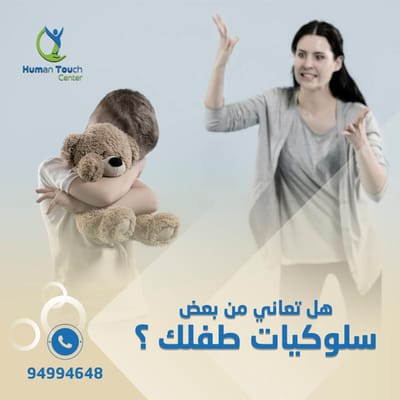
تحتاج لتعديل بعض سلوكياته ؟
تحتاج لمساعدة ؟
اطلب استشارتك الآن من متخصصين في تعديل سلوك في مركز هيومن تاتش :
-المراهقة العنيدة
- العنف والعدوان وسلوك التنمر
- قلق الانفصال
- الخجل
- الثقة بالنفس
- الأنطواء
-التبول اللاإرادي
-غيرة الأطفال
- الكذب
-السرقة
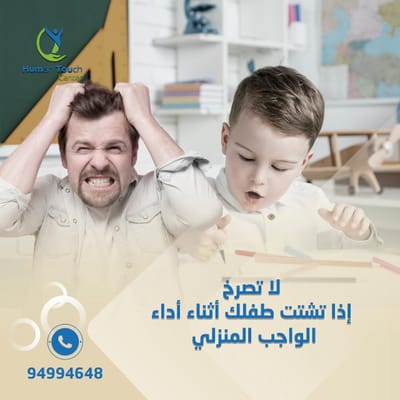
لا تصرخ إذا تشتت ابنك أو ابنتك أثناء أداء الواجب المنزلي :
- أو ابتعد عنه في لحظات عدم تحكمك في غضبك
لأنك إذا صرخت به (انتبه ، اقرأ ، افهم )، فلن يجديك نفعاً. بل سوف تزيد من تشتته ولن يسمع أي شيئ مما تقوله وكأنك أغلقت عليه جميع مداخل الفهم . حتى لو بدا أنه "يعمل" ماتقوله
هذا التصرف ضار جداً لأن طفلك يفعله فقط بدافع الخوف.
بالحب والهدوء وإظهار ثقتك به سوف ينجح
أما الصراخ فلن يثمر إلا زيادة التشتت
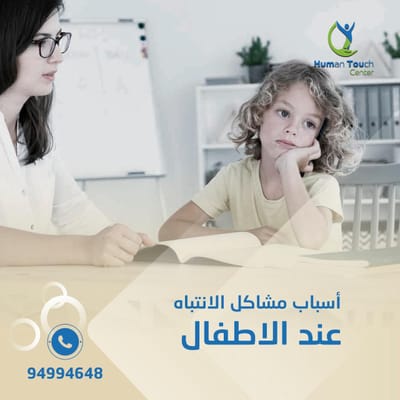
اسباب مشاكل الانتباه عند الاطفال
1. The nature of food
2. Lack of sleep or inappropriate daily routine
3. Lack of minerals and vitamins
4. High screen exposure
5. lack of physical activity
6. Organic problems
7. Neurological problems
Whatever the cause, especially in early childhood, the child must be intervened and given the most appropriate treatment
For reservations and inquiries, call: 94994648
غريزة الآباء
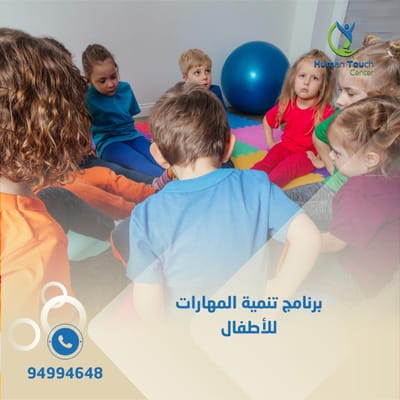
برنامج تنمية المهارات للأطفال
أسباب اضطراب السلوك
One of the most important treatment methods is setting general rules for the house, such as setting meal times, participating in some activities, such as sports and cultural activities, setting specific features of the desired behavior, and explaining this to the child in a simple way, monitoring the child’s behavior and what he does, and talking to him about his feelings and what concerns or bothers him, as well as avoiding exaggeration in love or punishment or fluctuations in feelings from intense love to severe punishment at other times, pointing out that during adolescence, the adolescent is affected by the environment and society, especially his friends, so he tries to imitate them in everything, and the influence of the group of friends on the adolescent is profound.